Rush-hour congestion in the UAE concentrates in three metropolitan clusters — Dubai, Abu Dhabi, and Sharjah — where commuter volumes, freight movement, and inter-emirate travel overlap on limited corridor capacity. Analysing delay indices and bottleneck locations helps drivers anticipate travel time beyond free-flow estimates.
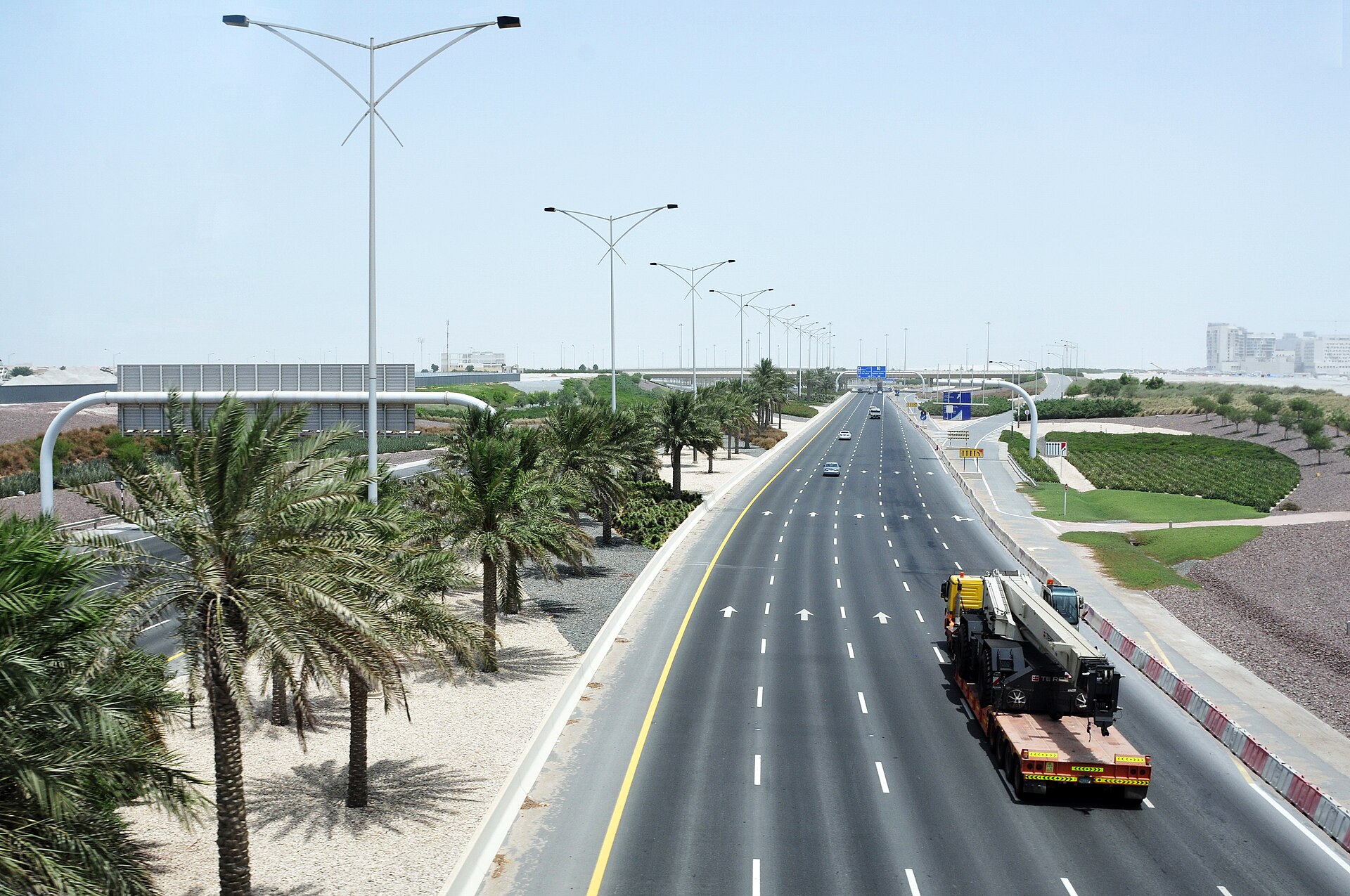
How congestion is measured
Traffic analytics platforms calculate congestion indices by comparing actual travel times to free-flow baselines. A score of 30% indicates trips take 30% longer than optimal conditions. UAE cities typically peak between 35% and 55% during morning and evening rush in dense corridors — lower than global megacities like Mumbai or Los Angeles but significant for a region built around car mobility.
Dubai consistently records the highest rush-hour congestion index among UAE emirates, driven by cross-emirate commuting and tourism-related trips on Sheikh Zayed Road and Al Khail Road.
Dubai hotspot analysis
Primary bottlenecks include the Dubai–Sharjah border on E11, Sheikh Zayed Road between Trade Centre and Marina, Al Khail Road at Business Bay, and Hessa Street approaches to Dubai Hills. Evening peaks often exceed morning severity as discretionary trips add to commuter load.
Abu Dhabi patterns
Abu Dhabi's island geography channels traffic through limited bridge infrastructure. Sheikh Zayed Bridge and Mussafah industrial approaches see regular peaks. Government district and Corniche roads experience surges during shift changes. Overall delay indices remain 15–20% lower than central Dubai on comparable trip lengths.
Sharjah's commuter role
Sharjah hosts a large residential population commuting into Dubai daily. Al Ittihad Road and E311 Sharjah segments carry extreme morning inbound volumes toward Dubai. Evening outbound flows from Dubai into Sharjah mirror the pattern. This cross-border dynamic makes Sharjah–Dubai analytics essential for regional congestion understanding.
Infrastructure mitigation efforts
Expansions to E311, Dubai Metro extensions, flexible working hours in government sectors, and improved bus feeder networks aim to moderate peak growth. Smart traffic signal systems in Abu Dhabi and Dubai adjust phasing based on real-time demand. Despite investment, private vehicle preference keeps rush-hour pressure elevated.
Planning around congestion
Departing 30 minutes before or after peak windows often saves disproportionate time. Combining trip purposes reduces total weekly exposure to congested corridors. RT Online's corridor-specific guides provide complementary detail for Dubai–Abu Dhabi and Sheikh Zayed Road segments.
Emerging congestion corridors
Beyond traditional hotspots, newer residential zones along Emirates Road extensions, Dubai Silicon Oasis approaches, and Abu Dhabi–Al Ain connectors show rising delay indices. These corridors lack decades of commuter habituation but are absorbing rapid housing development. Analysts watching five-year trends identify them as the next pressure points for regional planning.
Event-driven congestion — Formula 1 weekends, major exhibitions, and holiday sales periods — creates temporary spikes unrelated to daily commuting. Drivers unfamiliar with the UAE should consult event calendars when planning cross-emirate travel during peak tourism seasons, as delay indices can double on affected dates.
Navigation apps that incorporate historical speed data outperform static map estimates during rush hour. Combining app guidance with the structural patterns documented here gives the most reliable arrival forecasts for recurring commutes.