The Dubai–Abu Dhabi corridor is the busiest inter-emirate route in the UAE, carrying hundreds of thousands of daily vehicle trips. Traffic patterns follow predictable weekly rhythms shaped by commuter flows, weekend leisure travel, and seasonal tourism — with distinct morning and evening peaks that reward informed route planning.
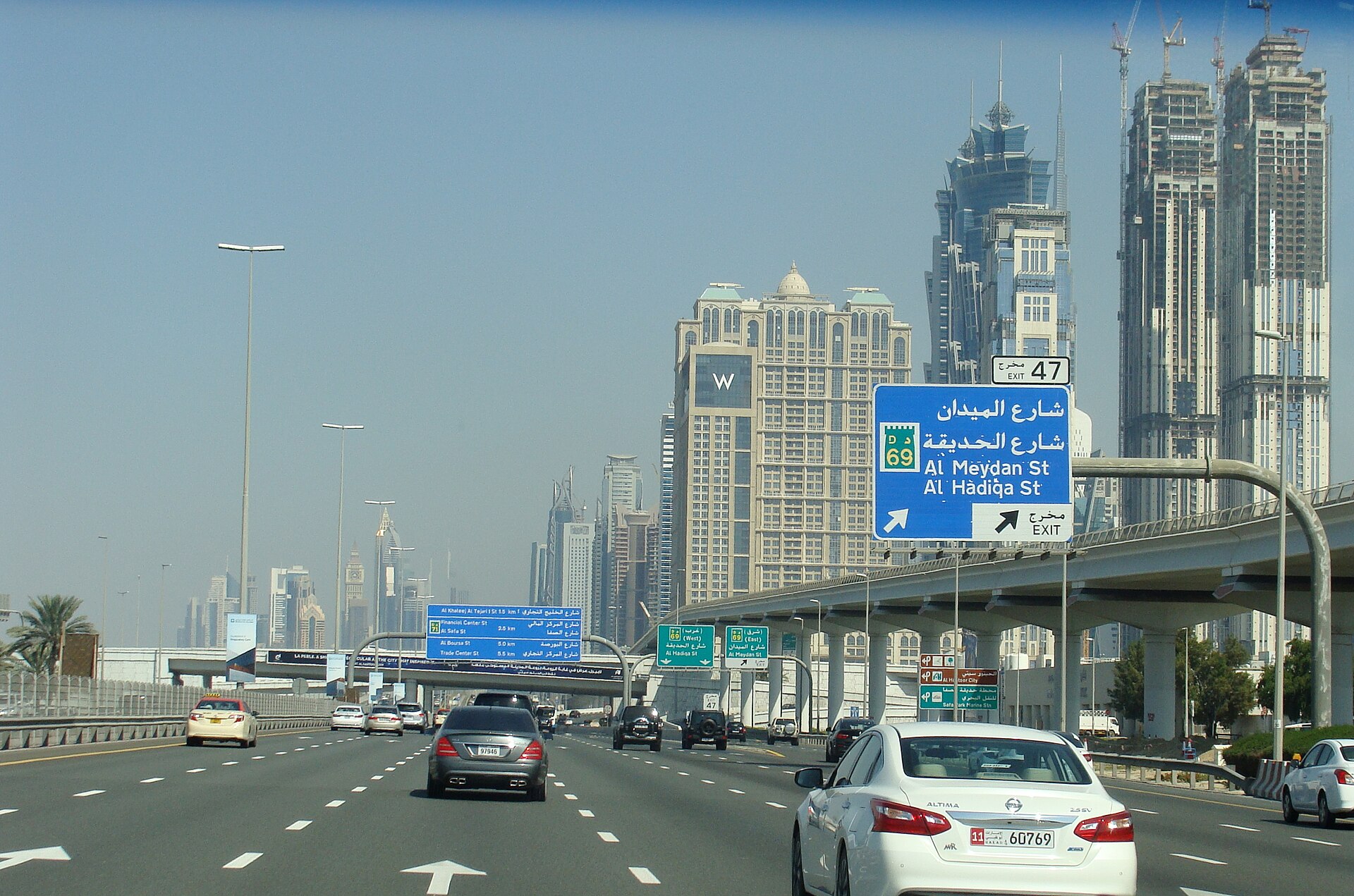
Daily peak windows
Weekday morning rush typically builds between 6:30 and 9:00 AM, with the heaviest congestion on routes entering Dubai from Sharjah and on the Abu Dhabi-bound carriageway of E11. Evening peaks run from 5:00 to 8:00 PM, often more intense than mornings as leisure and shopping trips overlay commuter returns.
Friday differs: morning traffic is lighter until late morning, when families depart for weekend activities. Saturday evenings see return flows into Dubai as residents head back before the work week.
E311 (Mohammed bin Zayed Road) frequently offers faster travel than E11 during Dubai morning inbound peaks, despite a slightly longer distance, due to fewer Salik gates and less urban weaving.
Weekly variation
Sunday through Thursday mirror standard Gulf work-week patterns. Thursday evenings show elevated outbound traffic toward Abu Dhabi and Al Ain as residents begin weekend travel. Sunday evening experiences the strongest return surge into Dubai and Sharjah.
Public holidays — particularly National Day and Eid periods — produce atypical spikes with congestion extending across midday and late evening hours.
Seasonal and weather factors
Summer months reduce overall congestion slightly as residents travel abroad, but extreme heat increases breakdown frequency on long highway stretches. Winter (November–March) brings higher tourist volumes and occasional fog events that close or slow E11 and E311 for safety.
During fog season, authorities implement reduced speed limits and lane closures; drivers should monitor official alerts before early-morning inter-emirate trips.
Known bottleneck locations
Key choke points include the Dubai–Sharjah border on E11, the Mall of the Emirates interchange, Ghantoot rest area merges, and the Abu Dhabi gateway near Shahama. Construction on Dubai South and Expo-adjacent zones periodically shifts lane configurations.
Within Abu Dhabi, the Sheikh Zayed Bridge approach and Saadiyat corridor experience localized delays during event weekends.
Alternative routing strategies
Drivers willing to trade distance for flow may use E311 entirely, or combine E66 through Al Ain for eastern connectivity — though E66 adds significant kilometres. Real-time navigation apps incorporating live traffic remain the most practical tool, supplemented by awareness of structural peak patterns described here.
Understanding traffic data
RT Online aggregates publicly reported congestion indices, navigation platform trends, and infrastructure announcements. Data represents general patterns rather than real-time conditions — always verify current flow before time-sensitive travel.
Long-term corridor trends
Population growth in Dubai South, Abu Dhabi suburbs, and Sharjah residential zones continues to add baseline volume to the inter-emirate corridor. Metro extensions and bus rapid transit aim to absorb some demand, but private vehicle ownership remains high by global standards. Infrastructure upgrades — including additional lanes on E311 and interchange redesigns near Expo City — periodically relieve specific bottlenecks before volumes rise to fill new capacity.
Tracking these structural trends helps commuters evaluate housing and workplace decisions. A route that flows freely today may face new pressure within two to three years as master-planned communities reach occupancy. RT Online updates corridor analysis as major road projects reach completion.